
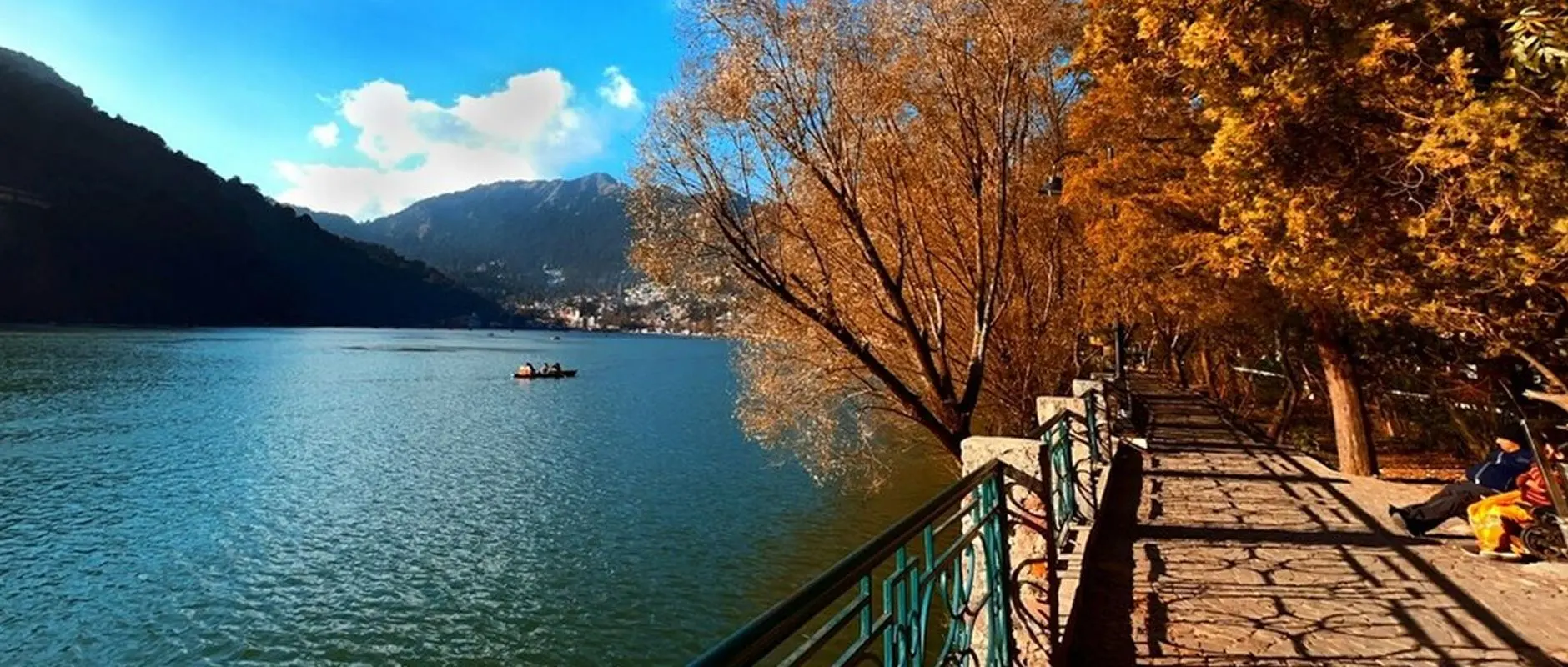
Discover what makes Nainital special beyond Naini Lake, from Kumaoni culture and historic landmarks to mountain viewpoints, local food, and nature experiences.
Discovering the Real Charm of Nainital Beyond Naini Lake
Nainital is one of the most recognised hill stations in Uttarakhand, known for its beautiful mountain scenery, pleasant surroundings, historic buildings, local markets, and the famous Naini Lake. While Naini Lake remains a major attraction, the true charm of Nainital extends far beyond its sparkling waters. The town's winding hillside roads, changing mountain weather, traditional Kumaoni culture, colonial-era architecture, and everyday local life make Nainital a distinctive destination in the Kumaon Himalayas.
For travellers searching for unique things to experience in Nainital, the destination offers much more than boating and shopping on Mall Road. Every corner of the town reveals a different aspect of mountain life, from the peaceful atmosphere of residential hillside neighbourhoods to the lively energy of local markets and the panoramic views available from elevated viewpoints. These experiences help visitors understand why Nainital remains a favourite destination for families, couples, nature lovers, photographers, and cultural explorers.
The beauty of Nainital lies in the way nature and daily life exist together. The surrounding hills shape the town's roads and buildings, the weather changes the appearance of the landscape, and local traditions reflect the cultural identity of the Kumaon region. Exploring these details allows visitors to appreciate Nainital beyond its famous lake and discover the character that makes this Himalayan hill station memorable.
Whether you are planning a family holiday, a romantic trip, a photography-focused visit, or a relaxing mountain break, understanding the different experiences of Nainital can help you plan a more meaningful journey. From historic landmarks and local food to mountain viewpoints and quieter corners, Nainital has many stories to offer beyond its most photographed attraction.
1. The Mountain Landscape That Gives Nainital Its Unique Identity
One of the most distinctive features of Nainital is its natural setting among the hills of the Kumaon region. Unlike destinations dominated by flat terrain, Nainital follows the contours of the surrounding mountains, creating a landscape of sloping roads, hillside homes, forested ridges, and elevated viewpoints. This geography gives the town a distinctive appearance and influences how visitors move through its streets.
The mountain landscape of Nainital changes with the time of day and prevailing weather conditions. Morning sunlight can illuminate the hills, afternoon clouds may soften distant views, and clear evenings can reveal layers of mountain ridges. These natural changes make Nainital appealing to travellers who enjoy scenic surroundings rather than relying entirely on organised tourist activities.
The hills around Nainital also create opportunities for photography, nature walks, and sightseeing from different elevations. Visitors can observe how the town's buildings follow the mountain slopes and how the landscape opens up from certain viewpoints. The experience of looking across the hills provides a different perspective from spending time beside Naini Lake.
For travellers who want to discover the natural beauty of Nainital, exploring the surrounding landscape is an essential part of the journey. The mountains are not simply a backdrop to the town. They are a defining feature of Nainital's identity and one of the main reasons visitors return to this hill station.
2. The Changing Mountain Weather That Makes Every Visit Different
The weather is another important part of what makes Nainital special. Because of its elevation and Himalayan setting, Nainital experiences seasonal changes that influence the scenery, outdoor activities, and overall atmosphere of the town. A visit during summer can feel very different from a winter trip, while the monsoon brings its own landscape and travel considerations.
During summer, Nainital often attracts visitors looking for relief from the heat of the plains. The relatively cooler mountain environment, shaded surroundings, and outdoor sightseeing opportunities make the town popular for family holidays. However, temperatures and conditions vary, so travellers should check the forecast before planning activities.
The monsoon season transforms the surrounding hills with greener vegetation, mist, and rainfall. The changing weather can create beautiful photographic conditions, although heavy rain may reduce visibility and affect road travel. Visitors planning a monsoon trip to Nainital should pay attention to local weather warnings and avoid unsafe routes during adverse conditions.
Autumn can offer clearer skies on some days and pleasant opportunities to explore the town and its surrounding viewpoints. Winter brings colder temperatures, particularly during mornings and evenings, and may create a different atmosphere around the hillside neighbourhoods. Snowfall is not guaranteed in Nainital every winter, so visitors should avoid planning their entire trip around the expectation of snow.
The changing mountain weather makes Nainital a destination that can be experienced in different ways throughout the year. Understanding these seasonal variations helps travellers appreciate the landscape while making practical decisions about clothing, sightseeing, and travel arrangements.
3. Colonial-Era Architecture and the Historical Character of Nainital
Nainital's historical character is an important part of its identity beyond Naini Lake. The town developed as a hill station during the nineteenth century under British colonial rule, and parts of its built environment still reflect that period. Historic institutional buildings, churches, educational establishments, and older architectural features provide glimpses into the town's development.
The architecture of Nainital adds another dimension to sightseeing. Visitors who look beyond the lake can observe older buildings, sloping roofs, traditional hill-station design elements, and structures that have served educational, religious, and public purposes over time. These details reveal how Nainital evolved from a mountain settlement into a well-known holiday destination.
One of the notable historic landmarks is the Raj Bhavan, also known as the Governor's House. Built during the British period, the building reflects the architectural style associated with colonial-era hill stations. Access to its grounds and facilities is subject to official visitor rules, so travellers should check the current arrangements before planning a visit.
St. John in the Wilderness Church is another important historical site in Nainital. Located away from the busiest part of the town, the church offers a quieter setting and a connection to Nainital's nineteenth-century history. Visitors interested in heritage tourism can include such places in an itinerary alongside the town's natural attractions.
Exploring the historical side of Nainital allows travellers to understand the town's development, architecture, and cultural layers. It also creates a more varied sightseeing experience for people interested in history, photography, and the stories behind familiar hill-station landmarks.
4. Mall Road Beyond Shopping: The Everyday Rhythm of Nainital
Mall Road is among the best-known places in Nainital, but its importance extends beyond shopping and evening strolls. The road is part of the town's everyday rhythm, connecting visitors with restaurants, shops, lakeside views, and the lively atmosphere of the central area. It offers a useful opportunity to observe how tourism and local life interact in Nainital.
During the day, Mall Road attracts visitors looking for souvenirs, food, local products, and convenient access to the lakeside area. In the evening, the atmosphere often changes as people gather for walks and enjoy the views around Naini Lake. The level of activity depends on the season, weather, and number of tourists visiting the town.
Beyond the familiar shopping experience, Mall Road reveals the commercial character of Nainital. Small businesses, eateries, and local services support both residents and visitors, making the area an important part of the town's economy. Exploring the shops at a relaxed pace can help travellers discover products and everyday details that are easy to overlook during a rushed sightseeing schedule.
Visitors should also remember that Mall Road is a public area with local regulations that may change according to traffic management requirements. Checking current vehicle restrictions and following local instructions helps ensure a smoother visit.
For anyone interested in understanding Nainital beyond Naini Lake, Mall Road provides a view of the town as a living place rather than just a holiday destination. Its blend of tourism, commerce, and local activity contributes to the character of Nainital.
5. Kumaoni Culture and Traditions That Shape Nainital
The cultural identity of Nainital is closely connected to the traditions of the Kumaon region in Uttarakhand. While the town welcomes visitors from across India, its surrounding communities maintain cultural practices, traditional foods, folk music, festivals, and customs that reflect the heritage of the Kumaon Himalayas. Exploring these cultural elements helps travellers discover a more meaningful side of Nainital.
Kumaoni culture is expressed through regional languages, local celebrations, traditional clothing, folk songs, and community gatherings. Festivals such as Harela, which celebrates greenery and agricultural traditions, reflect the close relationship between Kumaoni communities and the natural environment. Other regional festivals and customs vary between communities, villages, and families.
Visitors interested in local culture in Nainital can learn more by exploring regional food, visiting local markets, and attending public cultural events when available. Respectful interaction with local residents can also help travellers understand the area's traditions without treating everyday community life as a tourist attraction.
The cultural experience of Nainital becomes richer when visitors look beyond popular sightseeing points and appreciate the traditions of the wider Kumaon region. These local connections help explain why Nainital is more than a scenic hill station and why its identity is rooted in both its natural landscape and its cultural heritage.
6. Local Food in Nainital: Discovering the Flavours of Kumaon
Food is another important part of discovering Nainital beyond its famous lake. The town offers a variety of restaurants, cafés, bakeries, and eateries serving familiar Indian dishes alongside regional Kumaoni preparations. Exploring local food in Nainital gives travellers an opportunity to connect their sightseeing experience with the culinary traditions of Uttarakhand.
Kumaoni cuisine is known for dishes prepared with locally familiar ingredients, lentils, seasonal vegetables, grains, and regional spices. Popular regional preparations include bhatt ki churkani, made using black soybeans, and aloo ke gutke, a potato preparation commonly associated with Kumaoni food. Local recipes and cooking methods vary across households and communities.
Another regional speciality is bal mithai, a sweet associated with the Kumaon region and particularly well known in Almora. Visitors may find bal mithai and other regional sweets in shops around Nainital, although availability varies by establishment. Trying locally recognised foods can add a cultural dimension to a Nainital holiday.
Travellers can explore restaurants and eateries according to their preferences, whether they want regional cuisine, vegetarian meals, familiar North Indian dishes, or café-style refreshments. Asking about ingredients and preparation methods is useful for people with dietary requirements.
Discovering local food in Nainital is not simply about finding a place to eat between sightseeing activities. It is an opportunity to experience the flavours of Kumaon and understand how regional ingredients and traditions contribute to the area's identity.
7. Viewpoints That Reveal a Different Side of Nainital
The mountain viewpoints around Nainital offer a perspective that differs from the familiar lakeside experience. From elevated locations, visitors can appreciate the arrangement of the town, the surrounding ridges, and the broader landscape of the Kumaon hills. These viewpoints are particularly appealing to photographers and travellers who enjoy scenic observation.
Snow View Point is one of the recognised sightseeing locations in Nainital. On clear days, it offers views towards Himalayan peaks, although visibility depends on weather conditions and atmospheric clarity. Visitors should check current access arrangements and available transport before planning their trip to the viewpoint.
Tiffin Top, also known as Dorothy's Seat, is another well-known location associated with panoramic views of Nainital and the surrounding hills. The area has traditionally attracted visitors interested in outdoor excursions and photography. Access conditions and walking routes may change, so travellers should confirm current local guidance before setting out.
Naina Peak, also known as China Peak, is another recognised geographical feature near Nainital. It is associated with hiking and mountain views, but visitors should assess the current condition of trails, weather, and access arrangements before planning an excursion.
Exploring viewpoints in Nainital allows travellers to see the town from different elevations rather than experiencing it entirely from the central lakeside area. These locations add variety to a Nainital itinerary and help reveal the scale and beauty of the surrounding mountain landscape.
8. The Forests and Green Spaces Around Nainital
The natural environment around Nainital is an important reason the destination appeals to nature lovers. Forested slopes, wooded paths, and green surroundings create a contrast with the busy streets and commercial areas of the town. These natural features provide opportunities to appreciate the biodiversity and landscapes of the Kumaon Himalayas.
The forests around Nainital include a variety of vegetation influenced by elevation, soil, moisture, and local climate. Oak and pine are among the trees associated with parts of the wider region, although vegetation varies by location. Seasonal changes in greenery, sunlight, and mist give the surrounding hills different appearances throughout the year.
Visitors interested in nature around Nainital can explore suitable walking routes and established outdoor destinations where access is permitted. It is important to follow local guidance, stay on appropriate paths, and avoid entering restricted or unsafe areas. Mountain weather can change quickly, so suitable footwear and basic preparation are useful for outdoor activities.
The value of these natural spaces extends beyond their scenic appeal. Forests support wildlife, influence local ecosystems, and contribute to the environmental character of the region. Responsible tourism helps protect these surroundings for residents, wildlife, and future visitors.
For travellers seeking experiences beyond Naini Lake, the forests and green spaces around Nainital provide an opportunity to slow down and appreciate the natural setting that defines the hill station.
9. Birdwatching and Wildlife Experiences Near Nainital
The wider Nainital region is known for its diverse birdlife and varied natural habitats. Forested hills, wooded valleys, and different elevations create environments that support numerous bird species. This makes birdwatching near Nainital an appealing activity for nature enthusiasts, photographers, and travellers interested in biodiversity.
Pangot, a village near Nainital, is particularly recognised as a destination for birdwatching. Visitors travel to the area to observe birds in forested surroundings and experience a quieter side of the Kumaon hills. Sightings depend on the season, weather, habitat conditions, and the patience of the observer, so seeing a particular species cannot be guaranteed.
Birdwatching in the Nainital region is best approached with respect for wildlife and natural habitats. Travellers should avoid loud noises, feeding wild animals, disturbing nests, or leaving waste in forested areas. Binoculars and a field guide can be helpful for visitors who want to identify birds without approaching them too closely.
Wildlife experiences should always follow local rules and conservation guidance. Forest areas are natural habitats, not controlled viewing spaces, and animals may not appear at predictable times. Visitors should never attempt to touch or feed wild animals.
For travellers who want to explore Nainital beyond mainstream sightseeing, birdwatching and nature observation offer a rewarding way to experience the region's ecological richness while supporting responsible tourism.
10. The Spiritual Side of Nainital Beyond Its Scenic Attractions
Nainital also has a spiritual and religious identity that attracts pilgrims and visitors interested in cultural heritage. The town's temples and religious landmarks offer a different kind of experience from boating, shopping, and mountain sightseeing. These places reflect the importance of faith and community traditions in the wider Kumaon region.
Naina Devi Temple is one of the most significant religious landmarks in Nainital. Situated near the northern end of Naini Lake, the temple is associated with the Hindu goddess Naina Devi and attracts devotees throughout the year. Religious activity can increase during festivals and special occasions, so visitors should allow extra time during busy periods.
The temple's location near the lake also makes it part of the town's broader cultural landscape. Travellers can learn about its religious significance while respecting the customs and practices of worshippers. Appropriate behaviour, modest conduct, and following local instructions help maintain a respectful atmosphere.
Beyond Naina Devi Temple, the wider Kumaon region includes numerous temples and religious sites with local histories and traditions. Visitors interested in spiritual tourism can research these places before planning excursions from Nainital.
The spiritual side of Nainital adds depth to the destination's identity. It shows that the town is not only a place for scenic holidays but also an important setting for religious practices, cultural traditions, and community gatherings.
11. Photography in Nainital Beyond the Famous Lake
Nainital is a rewarding destination for photography because its visual appeal extends far beyond Naini Lake. Mountain roads, historic buildings, hillside houses, market scenes, changing skies, forested slopes, and everyday street life provide many subjects for travel photography.
Morning light can create interesting conditions for photographing the hills and townscape, while late afternoon light may highlight architectural details and mountain contours. Weather plays an important role in photography around Nainital, and mist or clouds can sometimes create atmosphere even when distant mountain views are not visible.
Travellers can develop a more distinctive Nainital photo collection by looking beyond the most familiar viewpoints. Details such as old buildings, local shopfronts, hillside pathways, traditional foods, and seasonal vegetation can tell a broader story about the town.
Responsible photography is important in public and residential areas. Visitors should respect privacy, seek permission before taking close-up photographs of people, and follow restrictions at religious or protected sites. Drone use may be subject to local permissions and applicable regulations, so travellers should verify the rules before using one.
For photography enthusiasts, Nainital offers a combination of landscapes, architecture, culture, and daily life. Exploring these different subjects creates a more complete visual record of the hill station beyond its famous lake.
12. The Old Streets and Hillside Neighbourhoods of Nainital
The hillside neighbourhoods of Nainital reveal a quieter side of the town that many visitors miss while following standard sightseeing routes. Narrow roads, sloping pathways, residential buildings, and homes set against the hills reflect how people live in a mountain environment. Exploring these areas from public roads and permitted walking routes can offer a different perspective on Nainital.
The geography of Nainital influences its everyday life in practical ways. Steep slopes, changing weather, and limited road space affect how residents travel, access services, and organise daily routines. These features distinguish Nainital from cities built on flatter terrain.
Visitors interested in local life should explore residential surroundings respectfully and avoid entering private properties or disturbing residents. The aim is to appreciate the character of the town rather than treat every neighbourhood as a tourist attraction.
For travellers looking beyond conventional Nainital sightseeing, the town's hillside streets provide an opportunity to observe the relationship between mountain geography, architecture, and everyday life.
13. Shopping in Nainital and Discovering Local Products
Shopping in Nainital offers more than a routine holiday activity. Local markets and shops allow visitors to browse woollen clothing, souvenirs, decorative items, regional sweets, and other products associated with the hill-station experience. Exploring these markets can also help travellers understand the commercial life of the town.
Mall Road is one of the main shopping areas in Nainital, attracting visitors throughout the tourist season. The Tibetan Market is another recognised shopping destination, where visitors can browse clothing, accessories, and various everyday products. Product availability, prices, and operating hours vary by shop and season.
Travellers interested in regional products can look for locally made items and Kumaoni food specialities. Asking shopkeepers about the origin of a product can help visitors distinguish locally produced goods from items brought in from elsewhere.
Shopping is often more enjoyable when visitors allow sufficient time to browse instead of trying to fit every market into a rushed sightseeing schedule. During peak tourist periods, crowds may make some shopping areas busier than usual.
Exploring Nainital's markets adds a lively cultural and commercial dimension to the trip. It also gives travellers an opportunity to support local businesses while taking home practical items or souvenirs from the Kumaon region.
14. Short Excursions From Nainital That Expand the Travel Experience
One of the advantages of staying in Nainital is the opportunity to explore other destinations in the Kumaon region. Travellers with additional time can consider nearby lakes, mountain villages, forested areas, and cultural landmarks to experience more than the central hill station.
Bhimtal is known for its lake and surrounding scenery, making it a suitable addition for visitors interested in exploring another lakeside destination. Sattal offers interconnected lakes and forested surroundings, while Naukuchiatal is recognised for its scenic lake setting. Each destination has its own character, and visitor experiences vary according to weather and seasonal demand.
Mukteshwar offers mountain scenery and access to the Mukteshwar Mahadev Temple area. Pangot is known for birdwatching and forested landscapes, making it appealing to nature enthusiasts. These destinations can provide variety for travellers who want to combine sightseeing in Nainital with other experiences across Kumaon.
Travel times depend on the chosen route, road conditions, traffic, and starting point. Visitors should avoid overloading a short itinerary with too many destinations, particularly when travelling on hilly roads. Checking local conditions before departure helps make excursions more practical and comfortable.
Exploring beyond Nainital allows travellers to discover the diversity of Uttarakhand's mountain landscapes. Rather than treating Nainital as a single sightseeing stop, visitors can use it as a starting point for a broader Kumaon travel experience.
15. Why Nainital Is Suitable for Different Types of Travellers
Nainital appeals to different types of travellers because it combines natural scenery, accessible sightseeing, cultural attractions, shopping, and a range of accommodation options. The experience can be adapted according to the interests and pace of each visitor.
For families, Nainital offers opportunities to enjoy boating when available, visit recognised attractions, explore local markets, and take scenic walks. Families should plan activities according to children's needs and avoid overly demanding schedules.
For couples, Nainital provides mountain views, lakeside walks, scenic viewpoints, and opportunities to enjoy quiet moments away from busy tourist areas. Choosing suitable travel dates and accommodation can make a romantic holiday more comfortable.
For nature lovers, the surrounding forests, viewpoints, and nearby destinations such as Pangot offer opportunities for birdwatching and landscape exploration. Responsible behaviour and awareness of local conditions are essential during outdoor activities.
For history enthusiasts, Nainital's colonial-era architecture, historic religious landmarks, and older institutional buildings provide opportunities to explore the town's past. Checking visitor access before visiting particular buildings helps avoid inconvenience.
For photography enthusiasts, the combination of mountain landscapes, changing weather, architecture, markets, and local life offers varied subjects throughout the year.
This variety is one of the reasons Nainital continues to attract visitors. Its appeal does not depend entirely on Naini Lake but on the different experiences that can be combined into one mountain holiday.
16. Responsible Tourism and Protecting the Beauty of Nainital
The natural beauty of Nainital depends partly on how residents, businesses, authorities, and visitors care for the surrounding environment. As a popular hill station, Nainital faces challenges associated with waste management, traffic, pressure on public facilities, and the need to protect its mountain landscape.
Responsible tourism in Nainital begins with simple habits. Visitors can avoid littering, carry reusable water bottles, use designated waste bins, and respect restrictions in environmentally sensitive areas. These actions help reduce the pressure that tourism can place on public spaces and natural surroundings.
Travellers should also follow local parking and traffic instructions, particularly during busy weekends and holidays. Unauthorised parking and unnecessary vehicle movement can contribute to congestion in a town where road space is limited.
Respecting local culture is equally important. Visitors should behave appropriately at religious sites, ask permission before photographing people, and avoid disturbing residential neighbourhoods. Supporting local businesses and choosing authorised tourism services can also contribute to the local economy.
Sustainable tourism in Nainital is not only about preserving scenery for photographs. It is about protecting the environment, respecting local communities, and ensuring that future generations can continue to enjoy the region's natural and cultural heritage.
17. How to Experience the Real Nainital Beyond Naini Lake
Travellers who want a deeper experience of Nainital can plan their itinerary around different aspects of the town rather than concentrating exclusively on its most famous attraction. Combining viewpoints, historical landmarks, local food, markets, and nature-focused excursions creates a more balanced holiday.
An early morning visit to a suitable viewpoint can offer a fresh perspective on the mountain landscape, subject to weather and access conditions. Later in the day, visitors can explore historic landmarks, learn about local traditions, or discover Kumaoni cuisine at a suitable restaurant.
A walk through the permitted public areas around Mall Road can help travellers experience the town's commercial atmosphere. Those with additional time can consider an excursion to Bhimtal, Sattal, Pangot, or another suitable destination in the Kumaon region.
The key is to leave enough time for each activity instead of rushing between locations. Mountain travel can take longer than expected, and weather conditions may affect outdoor plans. A flexible itinerary allows visitors to adjust their plans without losing the enjoyment of the trip.
Experiencing the real Nainital means appreciating its landscape, culture, history, and everyday life together. The town becomes more interesting when visitors look beyond the obvious attractions and discover the many elements that make it a distinctive Himalayan destination.
18. Choosing the Right Stay for Your Nainital Holiday
Accommodation plays an important role in the overall Nainital travel experience. A suitable hotel provides a comfortable place to rest between sightseeing activities and can make it easier to organise visits to the town's major attractions. Location, room facilities, parking arrangements, and access to local transport are all worth considering before booking.
Travellers searching for hotels in Nainital with lake views may prefer accommodation that offers scenic surroundings along with convenient access to the town. Guests travelling by private car should confirm parking availability in advance, particularly during peak tourist periods.
Hotel Maharaja, Nainital, is located on Zoo Road in the Upper Mall area, approximately 500 metres uphill from Mall Road. The property offers 24 rooms with lake and mountain views, giving guests an opportunity to enjoy the surrounding landscape during their stay. Parking is available for booked guests, subject to the property's arrangements.
The hotel's location can be considered by travellers planning to explore Naini Lake, Mall Road, Naina Devi Temple, and other attractions in Nainital. Since the property is uphill from Mall Road, visitors should account for the slope and their preferred mode of transport when planning local movement.
For a more comfortable Nainital holiday, travellers should confirm current room rates, availability, check-in arrangements, and parking details directly with the hotel. Selecting accommodation that matches your travel needs can help make the overall experience more convenient.
Nainital Is Much More Than Its Famous Lake
Nainital is special because its appeal extends far beyond Naini Lake. The mountain landscape, changing weather, colonial-era architecture, Kumaoni traditions, local food, hillside neighbourhoods, forested surroundings, and lively markets all contribute to the town's distinctive character.
For travellers looking for unique things to experience in Nainital, these elements create opportunities to explore the destination from different perspectives. History enthusiasts can discover historic landmarks, nature lovers can explore the surrounding hills, food lovers can experience regional cuisine, and photographers can capture the changing scenery of the Kumaon Himalayas.
Exploring nearby destinations such as Bhimtal, Sattal, Pangot, Mukteshwar, and Naukuchiatal can add even more variety to a Nainital holiday. With thoughtful planning, visitors can balance popular sightseeing attractions with cultural experiences and time spent appreciating the natural environment.
Whether you are planning a family vacation, a romantic trip, or a relaxing mountain break, Nainital offers many reasons to look beyond its most famous attraction. The best travel experiences often come from noticing the smaller details, understanding local traditions, and allowing enough time to appreciate the surroundings.
For travellers planning a stay in Nainital, Hotel Maharaja offers lake and mountain views, with access to the town's attractions and parking for booked guests. Plan your Nainital visit with time to discover not only the famous lake but also the history, culture, landscapes, and experiences that make this hill station memorable.